
february 2026
ALBERTO OGGERO
When we show people around Langhe we typically start by saying that Alba separates the two valleys that give the name to the most famous appellations in the area: towards the east, the Barbaresco DOCG, towards the west, the Barolo DOCG.
North of Alba, crossing the Tanaro river, we enter the Roero territory, where the white grape Arneis is king and where some pretty steep sandy hills produce some amazing Nebbiolo, which, after some time in barrel, becomes Roero.
Take the notoriety that Barolo and Barbaresco have right now and divide by one fifth, go back 30-40 years and you have a good picture of what the Roero appellation looks like right now. Most of its land is still wild forest, which shares its peculiar character with the Roero farmers. Among these feral winemakers, a group of young producers has been making its way into the Piemonte wine world with new ideas and a lot of dedication. Alberto Oggero is one of them: his terroir-focused approach on his grandfather’s vineyard produces extraordinary wines that we could not resist sharing with you.
We started working with them in 2018, and since then Alberto Oggero has become one of the most respected Roero producers alongside Valfaccenda and Cascina Fornace. They also were the first Oneonthehill import into California, which makes us super proud of the selection work we’ve put in over the years.
-- My grandfather always told me I was hasty. When I started to make wine I undestood that I was no longer in control of time. Planting new vines means being able to sell their fruit seven years later; that’s nature’s rhythm, and you have to make peace with it if you want to work with it. --
Our selection and three words from the winemaker:
- Sandro: reduction, salt, joy. Drink now
- Anime: velvet, sand, harmony. Drink now - 2035
- Bianco: rhubarb, depth, infinity. Drink now - 2030
FERDINANDO PRINCIPIANO
Ferdinando is one of my favorite winemakers in Langhe. He began making wine in the 90s with the then very trendy Barolo Boys, using small barrels, shorter macerations and an overall approach in the vineyards and the winery which was for that time revolutionary.
Year after year, Fernando developed his own style, steering away from any chemical product and a minimalistic approach in the cellar and in the vineyard. Biodiversity and respect for the soil became paramount, alongside showcasing terroir while keeping the wines fresh and easy to drink.
During my last visit, Ferdinando shared his new goal of halving the production, from 23ha of land to a little over 10ha. Less is more, especially when you want to focus on quality and intent.
Our selection and three words from the winemaker:
- Langhe DOC Rosso 2023 (Slarina): spice, grace, altitude. Drink now
- Barolo DOCG del comune di Serralunga d’Alba 2021: depth, structure, marl. Drink now - 2035
- Barolo DOCG Ravera di Monforte 2021: old vine, elegance, steep. Drink now - 2035
CASCINA SAN MICHELE
Cascina San Michele is a gorgeous property in Costigliole d’Asti, at 30 minutes from Alba, in the middle of the wild Monferrato area. We are in Barbera land, these are warm, white soils that produce some of the finest and most age-worthy Barbera you will ever taste. To stress it’s historical importance, Costigliole is also home of the Consorzio della Barbera d’Asti, the beating heart behind the Unesco World Heritage site in Monferrato.
Marco Minnucci is a young producer who left Lago Maggiore to become Roberto Voerzio’s apprentice, one of the famous Barolo Boys. His style could not be further away from Roberto’s and that already tells a lot about Marco’s character: he moved from La Morra to Costigliole to create something truly unique and authentic. Marco’s vineyards are strictly farmed without any herbicides, fertilisers or any other “chemical intervention that might alter the natural cycle of the plant”. Wines are fermented with only spontaneous yeasts and are not filtered. Natural, in the best way possible.
The production is very limited, Cascina San Michele’s wines are imported in only a few countries, we were the first ones to bring them in the US, so enjoy!
Our selection and three words from the winemaker:
- Barbera Primevi 2022: fresh, honest, quaffable. Drink now - 2030
- Barbera Superiore 2020: warm, sensual, curvy. Drink now
- Barbera San Michele 2019: classic, balanced, sincere. Drink now - 2030
LA VEDETTA
There’s always some extra excitement when we get to share wines from our friends. Marco Viglino and Swantje are the new kids on the Barbaresco block and their love story is somewhat similar to ours.
Marco is a “langhetto”, born and raised in Alba, his family has always farmed vineyards: humanistic studies, a degree in Economics and an internship abroad, where he worked for some multinational corporations. In Germany he met Swantje: she is from the countryside as well but with a Master’s degree in International management. They fell in love and decided to move to the Langhe to start a new adventure together. We share the same vision, the same history of starting a business just two years before the pandemic and we often share some meals and bottles of wine.
I loved to see their winemaking evolve through the years and it is safe to say that they are now a rising star in the Langhe hills, blending a modern view on farming and winemaking with Marco’s Piemontese heritage: respect for the grapes, the terroir but also the freedom to experiment.
Parenthood is another journey we’re experiencing together: Marco and Swantje have now a beautiful baby named Teo, who’s just a few months older than our Noah. Future best wine buddies? Time will tell.
Our selection and three words from the winemaker:
- Barbaresco Ca’ Grossa 2022: The Choosen One. Drink 2028 - 2038
- Nebbiolo: Easy Rider. Drink now - 2030
- Barbera d’Asti: Primadonna. Drink now - 2030
LEGEND
DRINK NOW: Means drink within the next 3-4 years.
ALL DATES: Are just a reference point. Wine is not going to go bad, it’s just my personal favorite drinking window.
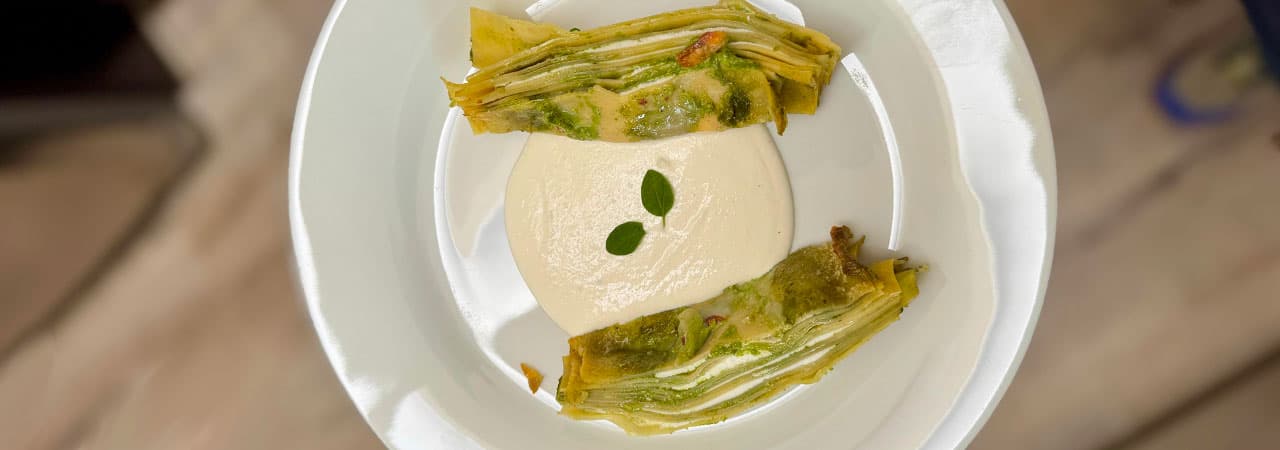
Spinach Pesto and Ricotta Lasagnetta, with Ricotta Cream
What you need:
- - 10 oz fresh spinach (≈ 300 g)
- - ¼ cup walnuts, lightly toasted (≈ 30 g)
- - ⅓ cup grated Parmigiano Reggiano (≈ 40 g)
- - ⅓ or ½ cup extra virgin olive oil, to taste
- - Salt and freshly ground black pepper, to taste
- - 9 oz fresh lasagna sheets (≈ 250 g)
- - 9 oz whole milk ricotta, well drained (≈ 250 g)
- - 1 cup béchamel sauce (≈ 240 ml)
- - Extra grated Parmigiano Reggiano for finishing
- - Butter or olive oil, for greasing
- - 5 oz ricotta (≈ 150 g)
- - 2–3 tablespoons milk or heavy cream
- - Salt, to taste
- - White pepper or nutmeg (optional)
How it is done:
Blend the spinach with the walnuts, Parmigiano Reggiano, and olive oil until smooth and creamy. Season with salt and pepper to taste. Set aside.
If using dried pasta, cook the sheets in salted boiling water for 30/40 seconds or until well al dente. Drain and lay them flat on a dish.If using fresh pasta, no pre-cooking is needed. Preheat the oven to 350°F (180°C). Lightly grease a baking dish.
In a small bowl, mix the spinach pesto with the béchamel sauce until well combined. Layer the lasagna as follows:
1 - A thin layer of pesto–béchamel mixture on the bottom
2 - Lasagna sheets
3 - Pesto–béchamel mixture
4 - Ricotta roughly crumbled by hand and scattered evenly
Repeat the layers until all ingredients are used, finishing with pesto–béchamel on top and a heavy sprinkle of Parmigiano Reggiano for a crispier finish.
Bake uncovered for 20–25 minutes, until heated through and lightly golden on top. Let rest for 5 minutes before serving.
In a mother bowl prepare the ricotta cream: blend the ricotta with milk (or cream) until smooth and velvety. Season lightly with salt and, if desired, a pinch of nutmeg or white pepper.
How to serve:
Place a portion of lasagnetta in the center of the plate. Spoon the ricotta cream underneath or alongside, and finish with a drizzle of extra virgin olive oil and a few chopped walnuts for texture.
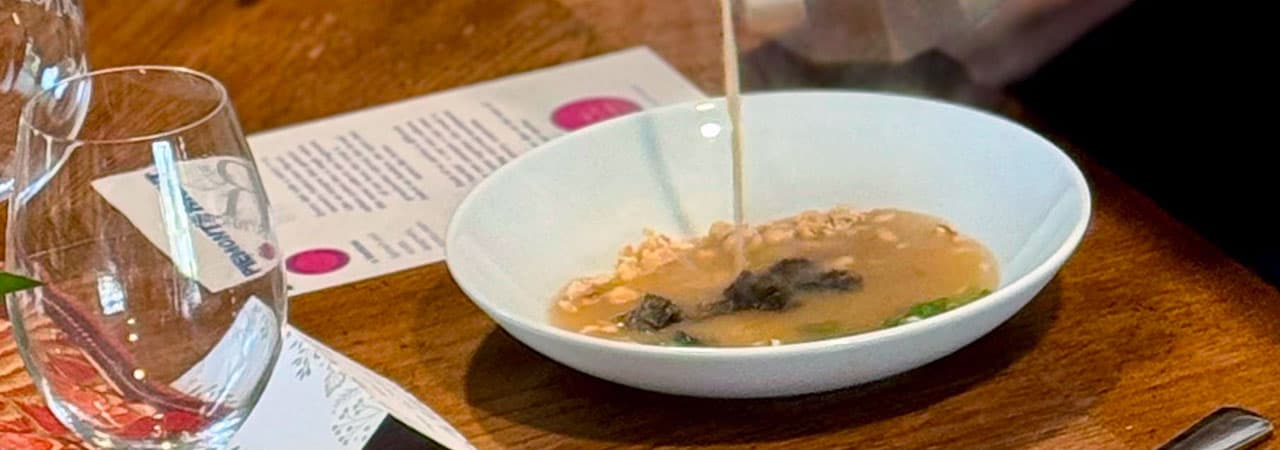
Classic French Onion Soup
What you need:
- - 2.2 lb yellow onions, thinly sliced (≈ 1 kg)
- - 3 tablespoons unsalted butter (≈ 40 g)
- - 1 tablespoon olive oil
- - 1 teaspoon sugar (optional, to aid caramelization)
- - 5 cups beef stock, preferably homemade (≈ 1.2 L)
- - ½ cup dry brandy (≈ 120 ml)
- - 1 bay leaf
- - 2–3 sprigs fresh thyme
- - Salt, to taste
- - Freshly ground black pepper, to taste
- - 2 scallions (spring onions), thinly sliced
- - ¼ cup hazelnuts, toasted and roughly chopped (≈ 30 g)
- - Extra virgin olive oil, for finishing
How it is done:
In a large, heavy-bottomed pot, melt the butter with the olive oil over medium heat. Add the sliced onions and a pinch of salt.
Cook slowly for 30–40 minutes, stirring frequently, until the onions are deeply golden and caramelized. Deglaze the pot with the white wine, scraping the bottom to release any browned bits. Let the wine reduce by about half.
Gradually add the hot beef stock, stirring to avoid lumps. Add the bay leaf and thyme. Bring to a gentle simmer and cook for 20–25 minutes, uncovered. Season with salt and black pepper to taste. Remove bay leaf and thyme before serving.
The soup should be rich and slightly velvety, with soft but still recognizable strands of onion. Adjust consistency with a little extra stock if needed.
How to serve:
Ladle the hot soup into bowls.Top with freshly sliced scallions and a generous sprinkle of toasted hazelnuts. Finish with a light drizzle of extra virgin olive oil for aroma and shine.
Chef's note:
This version preserves the depth and comfort of classic French onion soup while keeping it lighter and more contemporary. The scallions add freshness, while the toasted hazelnuts provide contrast and crunch without the need for bread or cheese.
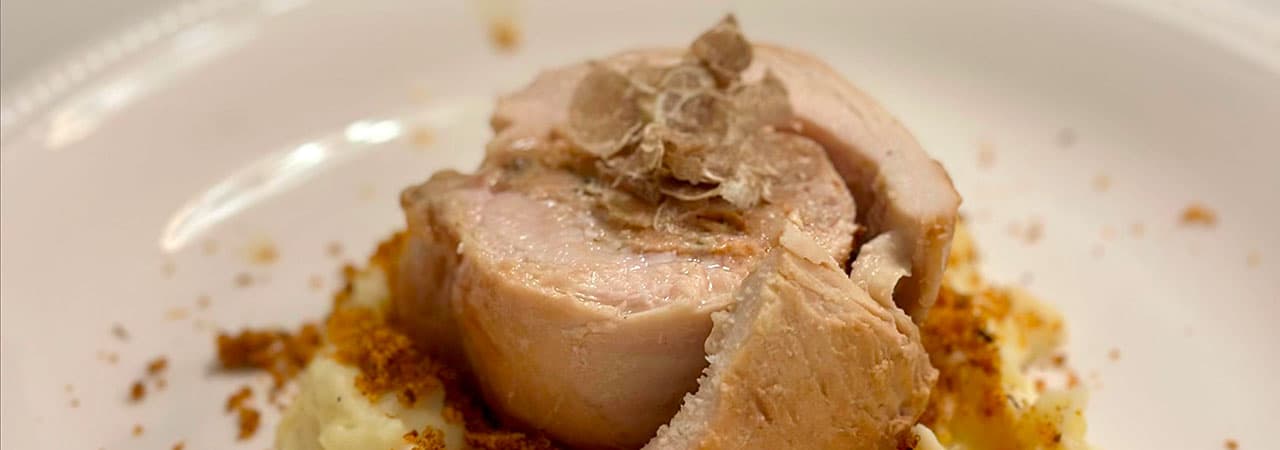
Chicken Roulade Stuffed with Chicken and Green
What you need:
- - 1.5 lb chicken breast, butterflied (≈ 680 g)
- - 7 oz ground chicken (≈ 200 g)
- - 5 oz Swiss chard or mixed leafy greens, stems removed (≈ 150 g)
- - ¼ cup grated Parmigiano Reggiano (≈ 30 g)
- - Salt and freshly ground black pepper, to taste
- - Kitchen twine or plastic wrap (for shaping)
- - 2 lb Yukon Gold potatoes, peeled and cut into chunks (≈ 900 g)
- - 4 tablespoons unsalted butter (≈ 55 g)
- - ½ or ¾ cup whole milk, warm (120–180 ml)
- - Salt, to taste
- - Freshly ground white pepper or nutmeg (optional)
- - ¾ cup breadcrumbs (≈ 50 g)
- - 2 tablespoons olive oil
- - 1 teaspoon smoked paprika
- - 1 teaspoon dried oregano
How it is done:
Finely chop the aromatic leaves, in a bowl, combine the ground chicken with the chopped greens, Parmigiano Reggiano, olive oil, salt, and pepper. Mix gently until just combined. Place the butterflied chicken breast between two sheets of plastic wrap and gently pound to an even thickness (about ½ inch / 1.2 cm).
Season lightly with salt and pepper. Spread the chicken-and-greens filling evenly over the surface, leaving a small border.
Roll the chicken tightly into a log. Secure with kitchen twine or wrap tightly in plastic wrap, twisting the ends to seal.
If wrapped in plastic, submerge and cook for 25–30 minutes, until the internal temperature reaches 165°F / 74°C.
Alternatively, unwrap and sear the roulade in a pan with olive oil, then finish covered over low heat or in a 350°F / 180°Coven until cooked through. Let rest for 5–10 minutes before slicing.
Cook the potatoes in salted boiling water until tender, about 20 minutes. Drain well.
Mash with butter and warm milk until smooth and creamy. Season with salt and, if desired, white pepper or nutmeg. Keep warm.
Heat olive oil in a skillet over medium heat. Add the breadcrumbs, paprika, oregano, and a pinch of salt. Toast, stirring frequently, until golden and crisp. Remove from heat immediately to prevent burning.
How to serve:
Spoon a generous base of mashed potatoes onto each plate.Arrange sliced chicken roulade on top. Finish with a shower of crispy paprika–oregano breadcrumbs for texture and aroma.
Chef's note:
This dish balances comfort and refinement: moist, gently cooked chicken; creamy potatoes; and a crunchy, aromatic breadcrumb topping that adds contrast without heaviness.
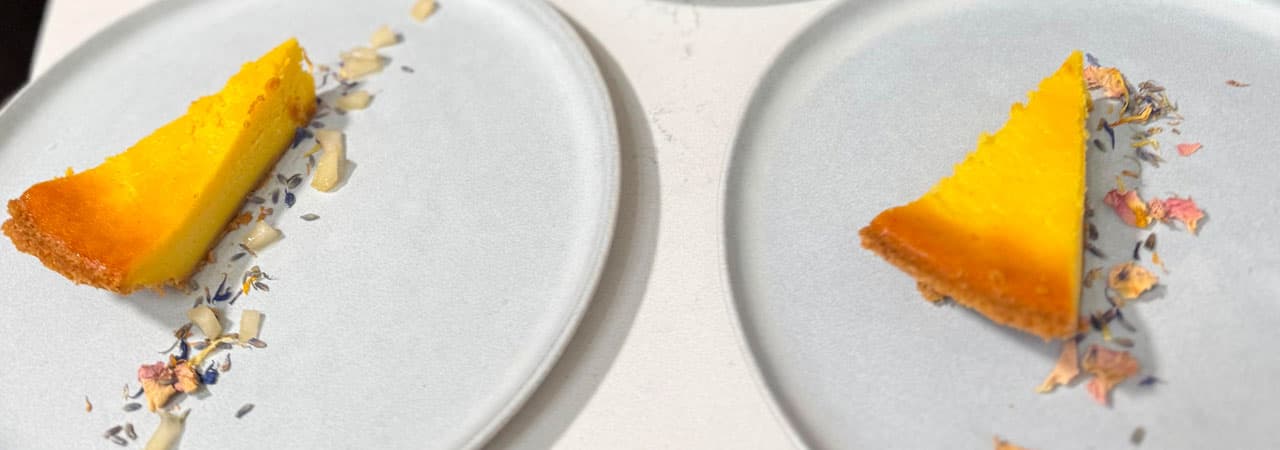
Custard Cream Cake served with Vanilla Ice Cream
What you need:
- - FOR THE CAKE -
- - 1¾ cups all-purpose flour (≈ 220 g)
- - ¾ cup granulated sugar (≈ 150 g)
- - ½ cup unsalted butter, softened (≈ 115 g)
- - 2 large eggs
- - ½ cup whole milk (≈ 120 ml)
- - 1½ teaspoons baking powder (≈ 6 g)
- - 1 teaspoon vanilla extract
- - Pinch of salt
- - Powdered sugar, for dusting (optional)
- - FOR THE PASTRY CREAM (CUSTARD) -
- - 2 cups whole milk (≈ 480 ml)
- - 4 large egg yolks
- - ½ cup granulated sugar (≈ 100 g)
- - ¼ cup cornstarch (≈ 30 g)
- - 1 teaspoon vanilla extract (or vanilla bean seeds)
- - Pinch of salt
- - Vanilla ice cream
- - OPTIONAL GARNISH -
- - fresh berries or toasted sliced almonds
How it is done:
In a saucepan, heat the milk with the vanilla until just below a simmer.
In a bowl, whisk egg yolks with sugar until pale. Add cornstarch and salt, whisking until smooth. Slowly pour the hot milk into the yolk mixture while whisking. Return everything to the saucepan and cook over medium heat, whisking constantly, until thick and smooth.
Transfer to a bowl, cover directly with plastic wrap touching the surface, and let cool completely. Preheat the oven to 350°F (180°C). Butter and flour a 9-inch (23 cm) round cake pan.
Cream the butter and sugar together until light and fluffy. Add the eggs one at a time, mixing well after each addition. In a separate bowl, whisk flour, baking powder, and salt.Add the dry ingredients to the batter alternately with the milk, mixing just until combined.
Pour half of the cake batter into the prepared pan and level it gently. Spread an even layer of pastry cream over the batter, leaving about ½ inch (1 cm) border around the edges.
Cover with the remaining batter, smoothing the surface carefully. Bake for 40–45 minutes, or until golden and a toothpick inserted into the cake (not the cream) comes out clean.
Let cool completely before removing from the pan. Dust with powdered sugar if desired.
How to serve:
Slice the cake and serve at room temperature with a generous scoop of vanilla ice cream on the side.